06/03/2026
THE RISING COSTS OF IT: WHY LIFECYCLE STRATEGY HAS BECOME A COMPETITIVE ADVANTAGE

Enterprise IT leaders are facing a new reality.
Rising hardware costs, increasing demand for AI-capable infrastructure, supply chain uncertainty, and ongoing economic pressures are forcing organizations to do more with less. At the same time, expectations for performance, security, and sustainability continue to grow.
The traditional approach of buying new equipment and replacing it on a fixed schedule is becoming increasingly difficult to justify. The organizations best positioned to succeed in this environment are those that view IT lifecycle management not as an operational necessity, but as a strategic advantage.
Why Hardware Costs Are Rising
A combination of market forces is driving technology costs higher. Component pricing, AI infrastructure demand, logistics expenses, and supply chain volatility are all impacting the cost and availability of new hardware.
For enterprise IT teams, the challenge is clear: budgets are tightening while technology demands continue to expand.
Asa result, maximizing the value of existing technology assets has become more important than ever.
The Hidden Opportunity in Your Existing Technology Fleet
Many organizations retire devices long before they reach the end of their useful life.
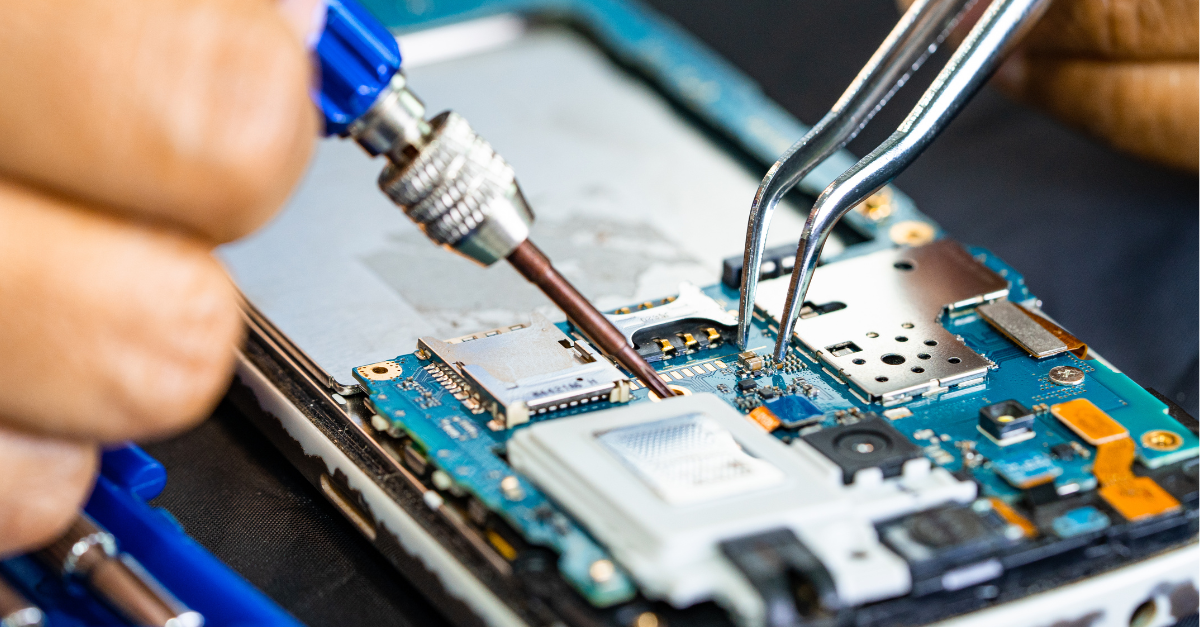
A laptop that needs a battery replacement, memory upgrade, or display repair often represents a far better financial decision than purchasing a new device. Likewise, equipment that no longer meets the needs of one user group can frequently be redeployed elsewhere within the organization.
The most effective IT lifecycle programs focus on maximizing value at every stage, from deployment and repair to redeployment, refurbishment, and eventual disposition.
“The organizations that will win the next decade of enterprise IT won’t necessarily be the ones that spend the most on technology. They’ll be the ones that extract the most value from the technology they already own.”
—Kris Roesken, Vice President of IT Lifecycle Solutions, Sage Sustainable Electronics
Repair: Enterprise IT's Most Overlooked Cost-Control Strategy
At Sage Sustainable Electronics, we believe repair should be a core component of every enterprise IT strategy.
Through RELECTRO, a Sage Sustainable Electronics company, we help organizations extend device lifecycles through professional repair, refurbishment, and redeployment services. In many cases, repairing and redeploying a device costs a fraction of replacement while delivering the performance users need.
The benefits are straightforward:
- Lower capital expenditures
- Extended asset lifecycles
- Faster return-to-service times
- Reduced e-waste
- Greater return on technology investments
As hardware costs continue to rise, repair is no longer just a sustainability initiative, it’s a business strategy.
Why Enterprise Teams are Choosing Refurbished Technology
Refurbished technology has evolved from an alternative option into a strategic procurement strategy.
High-quality refurbished devices help organizations stretch budgets, reduce exposure to supply chain disruptions, and accelerate deployment timelines without sacrificing performance or reliability.
Through Sage’s ITAD and remarketing programs, enterprises gain access to professionally tested and refurbished devices ready for a second life. In many cases, organizations can acquire higher-specification equipment at a significantly lower cost than buying new.
The result is lower costs, reduced e-waste, and greater flexibility in managing technology investments.
The Sage Difference
Many providers claim national capabilities while operating from a single processing facility. Sage takes a different approach.
With seven strategically located facilities across the United States, Sage helps organizations reduce transportation costs, accelerate service delivery, strengthen chain-of-custody controls, and maximize asset value through repair, refurbishment, remarketing, and ITAD services.
Our goal is simple: help enterprises gain more reusable yield from every technology asset they own.
LOOKING AHEAD
The economic pressures affecting enterprise technology are unlikely to disappear anytime soon.
Organizations that continue relying exclusively on replacement cycles will face increasing budget pressure. Those that embrace repair, refurbishment, redeployment, and lifecycle optimization will be better positioned to maintain performance while controlling costs.
In a world where technology costs continue to rise, competitive advantage won’t come from simply buying more hardware.
It will come from extracting more value from every asset throughout its lifecycle.
That’s the future of enterprise IT. And it’s the future Sage is helping organizations build today.
ADDITIONAL RESOURCES
-
- Request a customized IT cost optimization plan
- Learn more in How to Reduce IT Costs with a Repair-First Strategy
- Download our Certified IT Device Repairs overview
- Get additional ideas on how to optimize IT costs in Making the Case for Extending It Lifecycles: Balancing Cost, Productivity, And Sustainability
FEATURED
Join Sage at the Gartner IT Infrastructure, Operations & Cloud Strategies Conference 2026 in Las Vegas. Visit our booth to discover solutions that extend device lifecycles, reduce costs, maximize IT value, and support sustainability goals through repair, redeployment, refurbishment, remarketing, and recycling services.

MOST RECENT
Removing hard drives before IT asset disposal may seem like a security best practice, but it can create gaps in visibility. Explore the overlooked risks in data destruction policies and how organizations can build a more secure, auditable ITAD process.
Your input can help future organizations make confident IT asset disposition decisions. Share an honest review on Gartner Peer Insights and tell others about Sage’s customer service, support, capabilities, and implementation experience. Your feedback helps us improve while supporting your peers with valuable, real-world insights.
Rising technology costs are pushing organizations to rethink device management. A repair-first IT asset lifecycle strategy can significantly reduce costs, extend hardware lifecycles, improve employee productivity, and support sustainability goals by maximizing the value of existing devices before considering replacement or recycling.
06/03/2026
THE RISING COSTS OF IT: WHY LIFECYCLE STRATEGY HAS BECOME A COMPETITIVE ADVANTAGE
Enterprise IT leaders are facing a new reality.
Rising hardware costs, increasing demand for AI-capable infrastructure, supply chain uncertainty, and ongoing economic pressures are forcing organizations to do more with less. At the same time, expectations for performance, security, and sustainability continue to grow.
The traditional approach of buying new equipment and replacing it on a fixed schedule is becoming increasingly difficult to justify. The organizations best positioned to succeed in this environment are those that view IT lifecycle management not as an operational necessity, but as a strategic advantage.
Why Hardware Costs Are Rising
A combination of market forces is driving technology costs higher. Component pricing, AI infrastructure demand, logistics expenses, and supply chain volatility are all impacting the cost and availability of new hardware.
For enterprise IT teams, the challenge is clear: budgets are tightening while technology demands continue to expand.
Asa result, maximizing the value of existing technology assets has become more important than ever.
The Hidden Opportunity in Your Existing Technology Fleet
Many organizations retire devices long before they reach the end of their useful life.
A laptop that needs a battery replacement, memory upgrade, or display repair often represents a far better financial decision than purchasing a new device. Likewise, equipment that no longer meets the needs of one user group can frequently be redeployed elsewhere within the organization.
The most effective IT lifecycle programs focus on maximizing value at every stage, from deployment and repair to redeployment, refurbishment, and eventual disposition.
“The organizations that will win the next decade of enterprise IT won’t necessarily be the ones that spend the most on technology. They’ll be the ones that extract the most value from the technology they already own.”
—Kris Roesken, Vice President of IT Lifecycle Solutions, Sage Sustainable Electronics
Repair: Enterprise IT's Most Overlooked Cost-Control Strategy
At Sage Sustainable Electronics, we believe repair should be a core component of every enterprise IT strategy.
Through RELECTRO, a Sage Sustainable Electronics company, we help organizations extend device lifecycles through professional repair, refurbishment, and redeployment services. In many cases, repairing and redeploying a device costs a fraction of replacement while delivering the performance users need.
The benefits are straightforward:
- Lower capital expenditures
- Extended asset lifecycles
- Faster return-to-service times
- Reduced e-waste
- Greater return on technology investments
As hardware costs continue to rise, repair is no longer just a sustainability initiative, it’s a business strategy.
Why Enterprise Teams are Choosing Refurbished Technology
Refurbished technology has evolved from an alternative option into a strategic procurement strategy.
High-quality refurbished devices help organizations stretch budgets, reduce exposure to supply chain disruptions, and accelerate deployment timelines without sacrificing performance or reliability.
Through Sage’s ITAD and remarketing programs, enterprises gain access to professionally tested and refurbished devices ready for a second life. In many cases, organizations can acquire higher-specification equipment at a significantly lower cost than buying new.
The result is lower costs, reduced e-waste, and greater flexibility in managing technology investments.
The Sage Difference
Many providers claim national capabilities while operating from a single processing facility. Sage takes a different approach.
With seven strategically located facilities across the United States, Sage helps organizations reduce transportation costs, accelerate service delivery, strengthen chain-of-custody controls, and maximize asset value through repair, refurbishment, remarketing, and ITAD services.
Our goal is simple: help enterprises gain more reusable yield from every technology asset they own.
LOOKING AHEAD
The economic pressures affecting enterprise technology are unlikely to disappear anytime soon.
Organizations that continue relying exclusively on replacement cycles will face increasing budget pressure. Those that embrace repair, refurbishment, redeployment, and lifecycle optimization will be better positioned to maintain performance while controlling costs.
In a world where technology costs continue to rise, competitive advantage won’t come from simply buying more hardware.
It will come from extracting more value from every asset throughout its lifecycle.
That’s the future of enterprise IT. And it’s the future Sage is helping organizations build today.
ADDITIONAL RESOURCES
-
- Request a customized IT cost optimization plan
- Learn more in How to Reduce IT Costs with a Repair-First Strategy
- Download our Certified IT Device Repairs overview
- Get additional ideas on how to optimize IT costs in Making the Case for Extending It Lifecycles: Balancing Cost, Productivity, And Sustainability
FEATURED
Join Sage at the Gartner IT Infrastructure, Operations & Cloud Strategies Conference 2026 in Las Vegas. Visit our booth to discover solutions that extend device lifecycles, reduce costs, maximize IT value, and support sustainability goals through repair, redeployment, refurbishment, remarketing, and recycling services.
MOST RECENT
Removing hard drives before IT asset disposal may seem like a security best practice, but it can create gaps in visibility. Explore the overlooked risks in data destruction policies and how organizations can build a more secure, auditable ITAD process.
Your input can help future organizations make confident IT asset disposition decisions. Share an honest review on Gartner Peer Insights and tell others about Sage’s customer service, support, capabilities, and implementation experience. Your feedback helps us improve while supporting your peers with valuable, real-world insights.
Rising technology costs are pushing organizations to rethink device management. A repair-first IT asset lifecycle strategy can significantly reduce costs, extend hardware lifecycles, improve employee productivity, and support sustainability goals by maximizing the value of existing devices before considering replacement or recycling.
Get Started. Reach Out Today.
"*" indicates required fields
Recommended Articles

October 12, 2026
EVENT: Gartner® IT Infrastructure, Operations & Cloud Strategies Conference 2026
Join Sage at the Gartner IT Infrastructure, Operations & Cloud Strategies Conference 2026 in Las Vegas. Visit our booth to discover solutions that extend device lifecycles, reduce costs, maximize IT value, and support sustainability goals through repair, redeployment, refurbishment, remarketing, and recycling services.
July 21, 2026
Share Your Sage Experience on Gartner Peer Insights™
Your input can help future organizations make confident IT asset disposition decisions. Share an honest review on Gartner Peer Insights and tell others about Sage’s customer service, support, capabilities, and implementation experience. Your feedback helps us improve while supporting your peers with valuable, real-world insights.
July 14, 2026
How to Reduce IT Costs with a Repair-First Strategy
Rising technology costs are pushing organizations to rethink device management. A repair-first IT asset lifecycle strategy can significantly reduce costs, extend hardware lifecycles, improve employee productivity, and support sustainability goals by maximizing the value of existing devices before considering replacement or recycling.